


Our Course SRHR Training
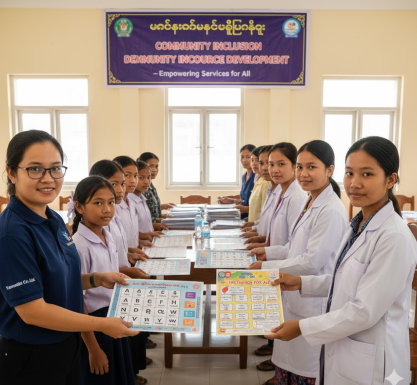

Sexual and Reproductive Health and Rights (SRHR) consists of four main components:
- Sexual Rights
- Sexual Health
- Reproductive Rights
- Reproductive Health
1. Sexual Rights
Sexual rights are human rights. They mean that anyone has the right to make their own choices and have control over matters related to their sexuality and reproduction. These decisions must be made free from coercion, threat, and violence. Furthermore, everyone has the right to access information and healthcare services related to sexual and reproductive matters without discrimination based on their sexual orientation.
Sexual rights include:
- The right to choose one’s sexual partner(s).
- The right to make bodily autonomy decisions regarding sex, including whether or not to engage in sexual activity.
- The right to freely choose one’s life partner.
- The right to enjoy a satisfying and safe sexual life (free from sexual violence, defamation, discrimination, and control).
- The right to freely and voluntarily make decisions regarding one’s sexual orientation, gender identity, and gender expression.
- The right to privacy and confidentiality regarding personal matters.
2. Sexual Health
Sexual health is a state of physical, emotional, mental, and social well-being in relation to sexuality. It is not merely the absence of disease, dysfunction, or infirmity. Achieving sexual health requires a positive and respectful approach to sexuality and sexual relationships. To ensure a safe and secure life free from coercion, discrimination, and violence, the sexual rights of all human beings must be respected, protected, and fulfilled.
3. Reproductive Rights
Reproductive rights are the most fundamental rights of all couples and individuals. They include the right to decide freely and responsibly the number and spacing of their children, as well as the right to access the correct information to do so. It also encompasses the right to attain the highest standard of sexual and reproductive health.
Furthermore, it guarantees the freedom to make reproductive choices free from discrimination, coercion, and violence. It protects the right to personal privacy and confidentiality, mutual respect, mutual dignity among individuals, and the right to experience equitable gender relations.
4. Reproductive Health
Reproductive health is a state of complete physical, mental, and social well-being, and not merely the absence of disease or infirmity, in all matters relating to the reproductive system and to its functions and processes at all stages of life.
Reproductive health implies that people are able to have a responsible, satisfying, and safe sex life. It also ensures that they have the capability to reproduce and the freedom to decide if, when, and how often to do so.